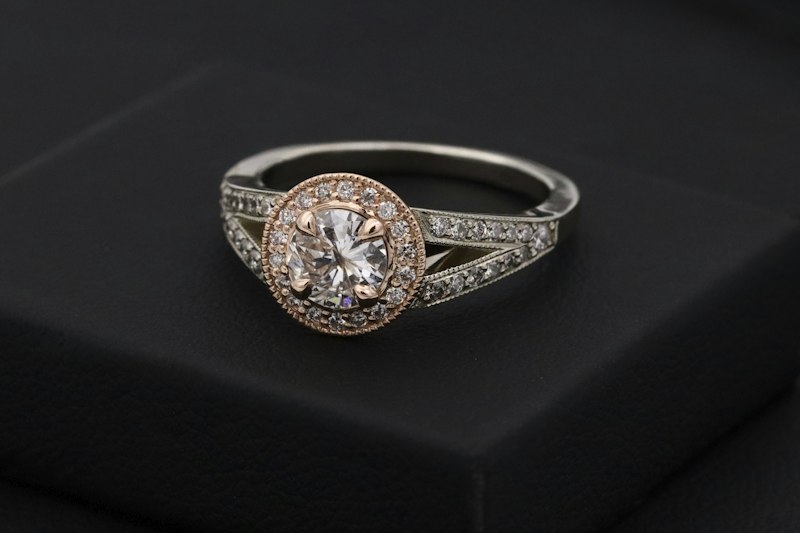
Why Stone Weight Must Be Deducted
When you sell stone-set jewellery, the buyer pays only for the gold content. Diamonds, rubies, emeralds, corals, and synthetic stones contribute zero value in a gold buying transaction — the buyer will melt the gold and discard or separately handle the stones. The gross weight of the piece includes the stone weight, which must be subtracted to arrive at the net gold-bearing weight that forms the basis of the offer.
Madurai's bridal jewellery — including traditional kundan sets, navaratna pieces, and heavy stone-studded necklaces — often has significant stone components. A 40-gram necklace might have 8–12 grams of stone weight, leaving only 28–32 grams of actual gold to be priced.
How Buyers Estimate or Measure Stone Weight
There are two methods buyers use to handle stone weight deductions: visual estimation and physical weighing. Visual estimation is faster but less precise — an experienced buyer looks at the piece and estimates the stone weight based on stone size and type. Physical weighing involves either removing the stones and weighing the remaining mount, or weighing the stones separately after removal.
For pieces with large, easily removable stones, physical weighing is more accurate and fair. For pieces where stones are permanently set (pavé, channel, or micro-pave), visual estimation is the only practical option. If you disagree with the estimated stone weight, ask the buyer to remove and weigh the largest stones individually.
Seller tip: Before your appointment, weigh your stone-set pieces on a kitchen scale. At the appointment, note the buyer's scale reading. If there is a significant discrepancy (more than 0.5 grams on a calibrated scale), question it before proceeding. Also ask for the stone deduction figure in writing on your receipt.
Minimising Stone Deductions When Selling
The most effective way to minimise stone deductions is to choose jewellery with minimal stone settings when planning a future sale, or to sell stone-heavy pieces to jewellery collectors or antique buyers rather than gold buying services. However, if selling to a gold buyer, the practical options are limited.
You can ask the buyer to physically weigh the pieces before and after stone removal, which gives you an exact stone weight figure rather than an estimate. Some buyers will do this for significant pieces. Additionally, ensuring the buyer uses a legal-metrology certified scale and that you can see the display removes the risk of scale manipulation.
Tags