Why Stones Are Deducted from the Total Weight
When a gold buyer weighs your stone-set jewellery, the scale shows the combined weight of the metal plus all stones, settings, and non-gold components. Since the buyer is paying only for the gold, the weight of everything else must be deducted to arrive at the net gold weight on which the offer is based.
Diamonds, rubies, emeralds, sapphires, CZ stones, enamel, and lac (resin fill used in traditional South Indian jewellery) are all non-gold and will be deducted. The deduction method matters — an accurate deduction reflects the actual non-gold weight, while an inflated deduction reduces your payout unfairly.
How Buyers Estimate or Measure Stone Weight
There are two methods buyers use. The most accurate is physical removal: stones are pushed out of their settings, weighed separately on the scale, and the gold is then weighed alone. This is best practice for high-value or diamond-heavy pieces, but it is time-consuming and requires skill. If stones are removed, they are typically returned to the seller — you are selling gold, not gems.
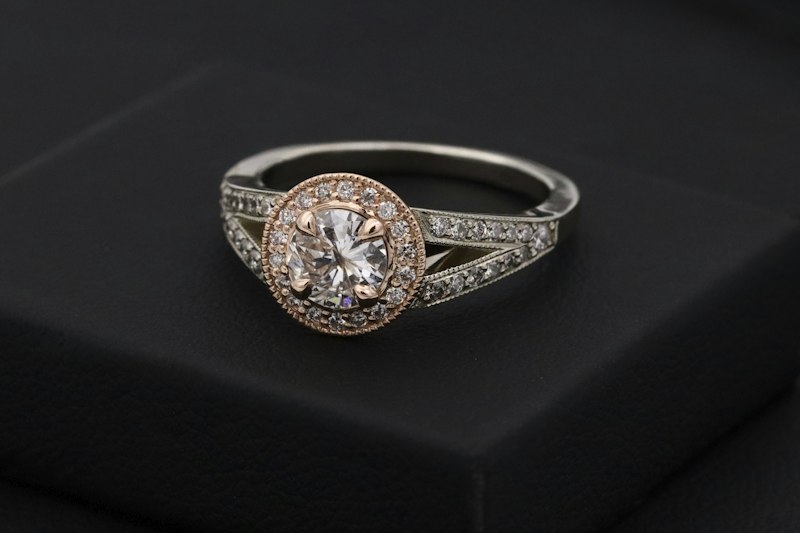
For pieces where stone removal is impractical (pavé settings, micro-set rings), buyers use estimation tables based on stone size, type, and number. A round 0.20-carat diamond, for example, weighs approximately 0.04 grams. A standard gemstone deduction table allows the buyer to estimate total stone weight from a count and visual measurement. Ask to see the basis for the deduction.
Ask for the breakdown: Before accepting any offer for stone-set jewellery, ask the buyer to show you the total weight, the stone deduction amount, and the resulting net gold weight separately. If they cannot or will not break down these three figures, that is a red flag.
Tips to Minimise Stone Deductions
If your piece has large, easily removable stones — a pendant with a single faceted stone, a cocktail ring with a prominent central gem — suggest that the buyer remove them before weighing. This eliminates any deduction uncertainty and gives you the cleanest calculation. The stones are yours to keep regardless.
For traditional South Indian jewellery set with kemp stones or lac fill, the deduction can be substantial. Pieces with heavy lac fill may have 15–25% of their total weight in non-gold material. Being aware of this before the appointment prevents surprises. If you know a piece has significant lac filling, factor that into your pre-sale value estimate.
Tags