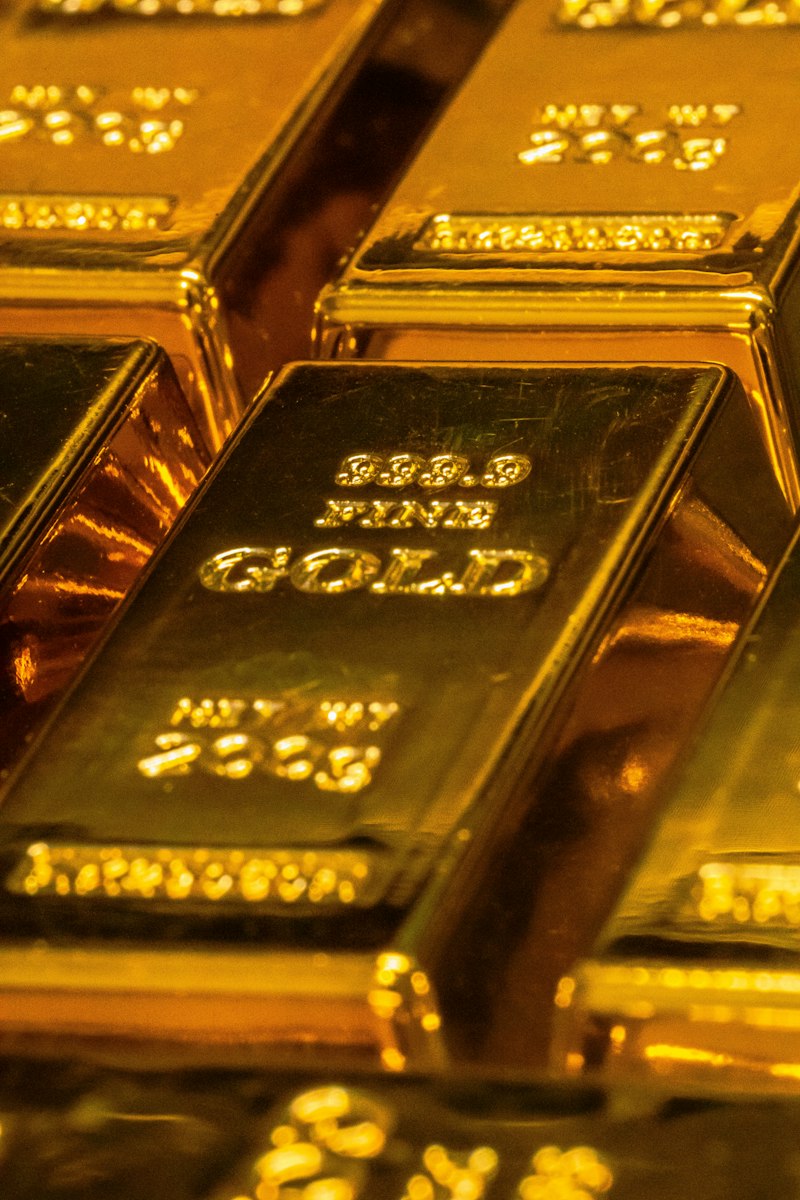
Condition Does Not Reduce the Gold's Melt Value
A gold chain snapped in two is worth exactly the same as an intact chain of identical weight and purity. When a gold buyer assesses your jewellery, they are evaluating the metal content — the weight of pure gold contained in the piece. Physical damage affects appearance, not chemistry. Whether the piece is polished or tarnished, straight or bent, intact or in fragments, the gold atoms remain the same.
The only thing that changes a gold buyer's offer for a damaged piece is if the damage reveals that it is not solid gold — for example, if a broken chain shows a hollow interior, a silver core, or a base-metal fill. These are important distinctions, but they relate to what the piece actually is, not to the damage itself.
What Buyers Look For in Damaged Pieces
When a buyer examines a broken or damaged item, they are checking three things: whether it is solid gold throughout, what the actual purity is, and the net weight of gold-bearing material. For hollow pieces, buyers will weigh the entire piece but deduct for the non-gold hollow volume. For gold-plated items, they may offer a nominal scrap rate that reflects only the thin gold layer, not the base metal underneath.
XRF testing is particularly valuable for broken pieces because the exposed cross-section provides an ideal surface for accurate measurement. A broken chain end, for instance, gives the XRF scanner a clean read with no plating interference — often yielding a more accurate result than on an intact polished surface.
Key tip: Collect all broken fragments — even tiny gold dust and filings — in a small sealed bag. Buyers will weigh and test the aggregate, and even a few grams of scrap can add a meaningful amount to your payout at today's rates of ₹6,500–7,000+ per gram.
Maximising Returns on Scrap Pieces
To get a fair price on damaged gold, the most important step is to insist on XRF testing rather than visual assessment or touchstone acid testing. A dishonest buyer may look at a darkened, damaged piece and claim it tests at a lower purity than it actually is. XRF removes that subjectivity entirely.
If you have several small broken pieces — a snapped pendant bale, a bent earring, a clasp without its chain — bring them together as a single lot. Buyers are more motivated to offer a competitive rate on a larger combined weight. A 10-gram lot gets more attention than a 2-gram fragment, even if the underlying rate per gram is the same.
Warning: Be cautious if a buyer quotes a significantly lower purity for obviously old-damaged gold and does not offer to show you the XRF reading. Damaged surfaces can be tested just as reliably as intact ones. Always ask to see the test result on screen.
Tags