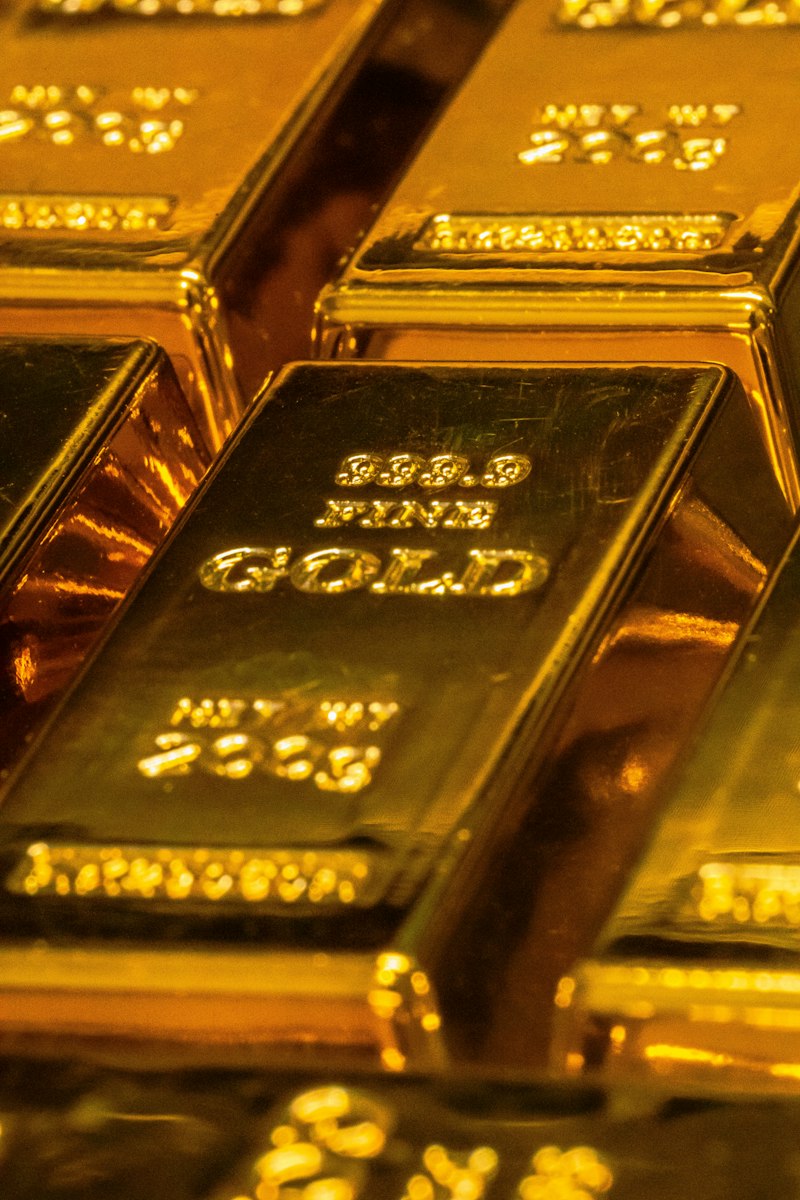
What the IBJA Rate Is
The India Bullion and Jewellers Association (IBJA) is a Mumbai-based trade body that represents bullion dealers, jewellers, and gold refiners across India. Twice each business day — at approximately 11:30 AM and 5:30 PM IST — IBJA publishes a standard buying and selling rate for 999-purity gold. This rate is calculated by polling member bullion dealers on their current transaction prices and averaging the results.
The IBJA rate is denominated in Indian rupees per 10 grams (though buyers often quote it per gram). It factors in the international gold spot price, the current USD/INR exchange rate, GST, import duty, and domestic supply-demand conditions. It is the most widely used benchmark for retail gold transactions in India and serves as the base from which all buyer offers are derived.
IBJA Rate vs MCX Gold Futures
The Multi Commodity Exchange (MCX) in Mumbai trades gold futures contracts throughout the day, and MCX gold prices are quoted in the financial media more frequently than IBJA rates. However, MCX futures reflect expected future gold prices and can diverge from the current spot price by a contango premium (typically ₹200–500 per 10 grams depending on the contract month).
The IBJA rate more closely mirrors the physical spot price — what gold costs right now for immediate delivery. Gold buyers in Chennai typically use the most recently published IBJA rate (updated twice daily) rather than the real-time MCX futures price. For a seller trying to benchmark an offer, checking the IBJA website directly before visiting a buyer is more relevant than monitoring MCX.
Where to check the IBJA rate: Visit the IBJA website (ibja.co) or search "IBJA gold rate today" to find the morning and afternoon rates. The page shows buying and selling rates for 999, 916, 750, and other purities. Note which rate was published most recently before your appointment.
Why Different Buyers in Chennai Quote Different Rates
Even when all buyers are working from the same IBJA rate, the offer a seller receives will vary because each buyer applies their own margin. A buyer with lower overhead — a smaller office, doorstep-only operation, lower staff costs — may be able to offer a margin of 2–3%, while a buyer with higher costs may take 4–6%. The spread between the best and worst offer for the same piece on the same day can be ₹300–600 per gram.
Other factors include the buyer's current gold inventory (a buyer who already has a lot of stock may offer less), their liquidity at the time of the transaction, and how efficiently they can move gold to refiners. These are operational factors that sellers cannot influence — but they are why collecting multiple quotes always pays off.
Tags