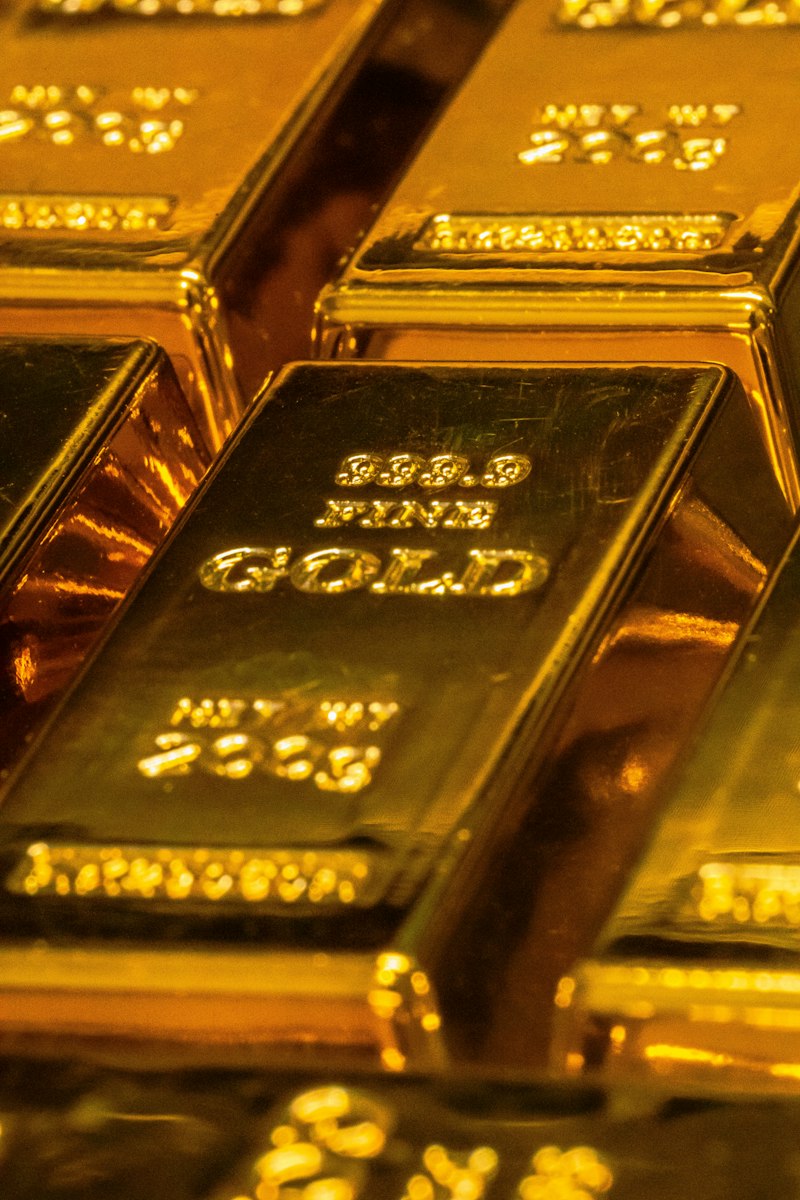
Major Gold Price Movements in India (2000–2026)
At the turn of the millennium, gold in India traded at approximately ₹4,400 per 10 grams — a figure that seems almost unimaginable in today's context. The 2000s brought steady appreciation driven by global demand from emerging market central banks, rising Indian incomes, and the beginning of a structural bull run in commodities. By 2008, gold had crossed ₹12,000 per 10 grams.
The decade from 2010 to 2020 saw gold oscillate between ₹27,000 and ₹34,000 per 10 grams for much of the period, following the post-2011 correction, before the pandemic changed everything. By 2024–25, gold in India crossed ₹70,000–75,000 per 10 grams — a tenfold increase from 2000 and a near-tripling from 2015. The trajectory reflects both genuine metal appreciation and India's weakening rupee amplifying dollar-denominated gains.
The 2011 Peak and What Caused It
Between 2008 and September 2011, gold prices globally surged from approximately USD 700 to USD 1,921 per troy ounce — a 175% increase in three years. In India, the rupee was also weakening, amplifying the domestic price move. Gold in India hit approximately ₹28,000–30,000 per 10 grams at the 2011 peak.
The drivers were: the 2008 global financial crisis that destroyed confidence in financial assets, near-zero interest rates in Western countries making gold more attractive, sovereign debt crises in Europe (particularly Greece, Portugal, and Ireland), and massive central bank gold buying. When these fears subsided in late 2011, gold began a three-year decline to approximately ₹24,000 per 10 grams by 2014.
The 2020 Pandemic Surge and Recent All-Time Highs
COVID-19 triggered the most dramatic gold price event in a decade. Between March and August 2020, Indian gold prices surged from ₹40,000 to a then-record of ₹56,200 per 10 grams — a 40% increase in five months. The combination of global uncertainty, near-zero interest rates globally, massive central bank money printing, and rupee depreciation created ideal conditions for gold.
The 2020 peak was followed by a correction to approximately ₹46,000–48,000 by mid-2021. But the structural bull market resumed, and by 2024–2025, India saw gold cross ₹70,000 and then ₹75,000 per 10 grams, driven by continued central bank buying, geopolitical tensions, and sustained rupee weakness. For sellers holding gold purchased before 2015, these prices represent exceptional returns.
Historical context for sellers: Gold bought at ₹28,000 per 10 grams in 2011 and held until 2025 at ₹72,000 represents a 157% total return over 14 years — approximately 7% per year, comparable to good fixed deposit returns but with full inflation protection. This long-run performance is why gold remains a core holding for Indian families.
Tags